The UK’s online gaming scene operates under strict rules, where transparency and protecting players are non-negotiable. Here, publishing detailed quality metrics for specific games establishes a crucial benchmark. For the popular Eye of Horus slot, releasing UK-specific standards gives everyone a clear, objective way to judge its performance, fairness, and compliance. These metrics encompass more than just the return-to-player (RTP) percentage. They examine volatility, game mechanics, and how well the slot adheres to the UK Gambling Commission’s rulebook. This information allows UK players make informed choices. They can understand exactly what they’re playing, which builds trust and encourages responsible play that matches what UK regulators want to achieve.
To understand why these standards were published, you have to see the unique demands of the UK market. The UK Gambling Commission requires all licensed operators to provide clear details on game rules, odds, and RTP. Publishing a full set of quality metrics for a title like Eye of Horus, however, is a proactive step. It’s a move by the game’s provider or a leading operator. This action answers calls for greater transparency. It seeks to clarify how the game performs and endeavors to set a new bar for sharing information. This enhances consumer confidence. It also assists the game stand out in a crowded market, showing a dedication to the high integrity UK players expect from regulated companies.
Understanding the Central Quality Metrics
The disclosed standards concerning the Eye of Horus slot center on several core measurements. The most common is the game’s Return to Player (RTP) percentage. This represents a theoretical figure showing the anticipated amount returned to players across a very long period of play. For the British market, this number is explicitly stated and checked against UKGC rules. Next to RTP, the risk rating is crucial. It determines how often and how big wins can be, labeling the slot as low, medium, or high risk. This helps players pair a game’s payout style to their own gaming preferences. The indicators also encompass hit frequency, which shows the rate at which a winning combination should appear, and the highest win potential, stating the absolute limit a player can win in a single spin or feature.
Aside from these numbers, the integrity standards feature technical and fairness certifications. This signifies verification by independent testing houses like eCOGRA or iTech Labs. They confirm that the Random Number Generator (RNG) behind the game’s results is random and unbiased. The report also discusses the game’s compliance with UK-specific rules. This includes the ban on features that accelerate play, like turbo spin, and the mandate to show real-time loss and session duration. Together, these elements form a full picture of the slot’s operational integrity. They ensure it is not only entertaining, but also works within the rigorous ethical and technical lines established by the British regulator. This establishes a clear and safe environment for players.
RTP and Variance in the British Framework
For United Kingdom gamblers, the listed RTP of Eye of Horus goes beyond a statistic. It’s a foundation for informed choice, required by the authority. The UKGC insists this value be easy to access. This lets players evaluate games based on their projected percentage. In the established standards, the RTP is displayed as a long-term statistical norm, not a promise for any single playing session. Establishing this difference clear helps regulate player anticipations. This clarity aids the UKGC’s aim of reducing consumer injury. It allows players to take conscious judgments based on validated information, not merely on a game’s design or advertising.
Variance is a more complex idea, but it’s just as crucial for player protection in the Britain. A slot with significant risk, which Eye of Horus often exhibits, could provide larger payouts that occur more rarely often. This influences how players manage their bankroll and how lengthy a play lasts. By clearly releasing this measure, the standards help players grasp the game’s intrinsic risk. They can subsequently choose games that match their own ease with danger and their gaming approach. This is a essential component of responsible betting. Pairing a transparent RTP in conjunction with a well-defined volatility classification offers a twofold perspective that UK players value. In a market where knowledge is a major resource for security, this information is crucial.
Gameplay Mechanics and Feature Clarity
The evaluation standards for Eye of Horus detail its game mechanics thoroughly. This makes sure players clearly see how wins are formed and how features trigger. It includes a detailed look at the symbol paytable, what the Eye of Horus wild symbol performs, and how the Gamble feature functions. Crucially, for the UK version, the standards specify how the Gamble feature follows local regulations. This may include limits or mandatory warnings about the risk of losing winnings. This degree of specificity eliminates confusion about how features work. It is crucial for fair play and matches the UKGC’s rule that all important game rules are presented transparently before a player places a bet.
The standards also meticulously detail how to activate the Free Spins bonus round, including how often it can occur. They explain how special symbols, like expanding wilds, act during these bonus games. They list any multipliers or other mechanics that come into play. This clarity covers the game’s maximum win cap, a critical piece of information for managing expectations. By clarifying these sometimes-complex mechanics, the published document ensures the ancient Egyptian theme is backed by a modern commitment to clarity. Players can experience the story and excitement of the slot while having a solid, factual understanding of how every spin and bonus event works. This is a basic right under the UK’s licensing conditions.
Compliance Standards and Player Protection
The British standards for Eye of Horus are closely tied to the country’s comprehensive player protection regulations. A major component of the released data checks compliance with the UK Gambling Commission’s Licence Conditions and Codes of Practice (LCCP). This includes confirmation that the game’s software operates with the national multi-operator self-exclusion scheme, GAMSTOP. It also confirms support for mandatory account-level tools like deposit limits and reality checks. The standards confirm the game is free of any design elements that could be viewed as overly addictive or that promote gambling. This adheres to the UKGC’s strict guidelines on game design.
On top of this, the metrics verify the game meets technical needs for real-time information displays. The rules require that player screens show clear data on total net loss and total time spent playing during a session. The standards document would validate these displays are accurate, always visible, and not intrusive, exactly as the regulations state. By disclosing these compliance points, the provider or operator demonstrates that Eye of Horus is more than a fun diversion. It is a product built within a strong ethical framework. This public statement of dedication to player protection rules builds a base layer of trust. It reflects a commitment to customer welfare that matters as much as the game’s entertainment value.
The role of Third-Party Testing and Certification
The trustworthiness of the disclosed performance figures for Eye of Horus relies on certification from independent testing labs. These external firms, certified by the UK Gambling Commission, run rigorous checks on the game’s software. Their main job is to examine the soundness and chance of the Random Number Generator (RNG). They confirm every spin’s outcome is separate and unpredictable, which guarantees fair play. The released criteria will name certifications from agencies like eCOGRA, GLI, or iTech Labs. This provides a seal of external approval that the advertised mathematical models and RTP are right and the game works as described.
This third-party review reaches further than the RNG. It covers a full review of game rules, Eye Of Horus Slot Mobile Version, payout tables, and whether all bonus features operate properly. Testers verify that the expected payout rate matches what is genuinely coded into the code. They also check for compliance with technical standards around data security and financial transactions. For the UK audience, these independent certifications are crucial. They convert the published metrics from promotional content into an examined technical statement. This independent oversight is a key part of the UK’s regulatory model. It provides both the regulator and the public impartial confidence that the game meets high international standards for fairness and operational integrity.
Effect on Operator and Player Decision-Making
Releasing detailed quality standards for Eye of Horus affects how both operators and players in the UK make decisions. For online casino operators, offering a game with such transparent, audited metrics becomes a compelling selling point and a compliance safety net. It lets them advertise the game confidently, understanding its fairness and regulatory standing have been verified by an outside party. This lowers their own risk and enhances their brand’s reputation for honesty. Operators can utilize this data to oversee their game libraries strategically. They can match player preferences for certain volatility levels or feature sets, and prove regulators they are dedicated to providing transparent products.
For players, this information is a tool for empowerment. It transforms game selection from being purely about looks or theme to an informed review of performance traits. A player desiring longer sessions might choose a low-volatility slot. Another pursuing bigger jackpots might opt for a high-volatility game like Eye of Horus, fully aware of the associated risk pattern. This insight aids with responsible money management and establishes realistic expectations. In the end, having these standards available fosters a more sophisticated and confident relationship between the player and the operator. It treats the player as an informed consumer making deliberate choices within a regulated system. This is the central aim of the UK’s consumer-focused approach to gambling regulation.
FAQ
What specifically are the “Quality Metrics” released for Eye of Horus?
The provided Quality Metrics are a full set of data and certifications for the Eye of Horus online slot, created for the UK market. They feature the game’s confirmed Return to Player (RTP) percentage, its volatility rating, hit frequency, maximum win potential, and descriptions of its bonus features. Crucially, they also validate independent RNG certification and full compliance with UK Gambling Commission rules on player protection tools and game design.
How come the RTP percentage so crucial for UK players?
The RTP shows a game’s theoretical payout over an extended period. UK rules demand its clear disclosure to guarantee transparency. For players, it permits for informed comparisons between games, which aids manage expectations and budgets. A higher RTP indicates a lower long-term house edge, but it does not promise specific results in a single session. This transparency is a essential part of the UK’s player protection system.
How does the game’s volatility influence my gameplay?
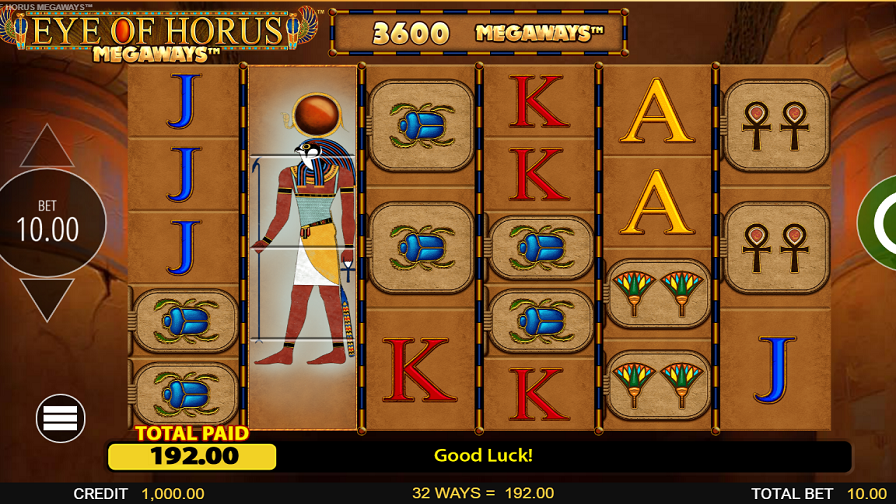
Variance describes the risk and return pattern. Eye of Horus is usually a medium-to-high volatility slot. This suggests wins might be less common but can be bigger when they happen. Knowing this helps you pick a game that fits your style: high volatility for larger potential payouts with higher risk, or low volatility for more frequent, smaller wins. It directly affects your strategy for managing your bankroll.
Are these metrics legally required in the UK?
The UK Gambling Commission does demand key details like RTP and game rules to be accessible. However, this targeted, consolidated presentation of detailed quality metrics is a voluntary endeavor that goes beyond the basic legal obligations. It is a proactive measure by the provider or operator to set a higher benchmark for transparency and build more confidence with the UK’s sophisticated players.
Who validates that these metrics are correct?
Correctness is checked by independent testing laboratories authorized by the UK Gambling Commission. These encompass eCOGRA, iTech Labs, or GLI. These third-party auditors rigorously test the game’s Random Number Generator (RNG) for true randomness. They verify the mathematical correctness of the RTP and paytables, and confirm all features work as specified. Their certification provides the necessary external validation.
Do the benchmarks confirm the game is secure and impartial?
Indeed. The standards verify fairness through independent RNG certification, which provides random outcomes. They also affirm safety by detailing compliance with UKGC player protection rules. This involves integration with GAMSTOP, support for deposit limits, and the display of reality checks and session data. This integrated focus on fair mechanics and responsible gambling tools establishes a transparent gaming environment.
How can I use this information as a player?
Utilize this information to make empowered decisions. Evaluate the RTP and volatility with other slots to find games that suit your budget and risk tolerance. Understand how the bonus features trigger and what the maximum win caps are to set realistic expectations. Ultimately, it allows you to engage with the game as an informed consumer. This is a key part of responsible gambling in the regulated UK market.